


Eating More To Losing Weight- The Evolutionary Precedent Against Low Calorie Diets
Losing weight is usually associated with the practice of eating less and thus the idea of eating more for many appears almost counter-intuitive. The standard practice for weight loss has traditionally been an attempt to create a negative energy balance by eating fewer calories- which forms the basis of almost all popular diets. However as universal as this practice may be, it has not enjoyed much in the way of success as it is in many ways contrary to natural human behavior. In spite of numerous protocols for eating less, long term weight loss remains elusive for the overwhelming majority of the population as 80% of those who attempt to lose weight through conventional dieting regain any weight lost within the course of a year- even when exercise is included.[1,2,3] In a word, the idea of eating less to lose weight has been an abysmal failure. Failures that do nothing to curb the fact that over 65% of Americans over the age of twenty are overweight [4] nor do those failures do much to stem the deaths of over a quarter of a million people here in the United States alone each that are directly ascribable to the ill effects of being overweight. [5] Human beings are the only mammals in nature aside from domesticated animals that do not work to obtain food. Trips to the supermarket do not approximate the energy expenditures of our hunter gatherer ancestors, nor is it close to the energy required to stay alive in a pre-Industrial Revolutionary agricultural society since in an affluent society there is no real link between the food we eat and the energy we expend. That being said, as much as overeating is a very real problem today, our hunter-gatherer ancestors ate far more calories than the average American while possessing well-muscled physiques that most would find enviable. The back breaking labor required for existence in an agrarian society also suggests a higher calorie intake. [26] Thus, eating more- in the way of nutrient dense and minimally processed foods in conjunction with intense physical activity appears to be more in line with our evolutionary heritage than simply eating less. It is no surprise that elite athletes today eat anywhere from 4,000 to 6,000 kcals/day yet have little in the way of excess body fat and have no problem losing weight when necessary even though they eat significantly more than the average person. In this article we take a look at how eating more to lose weight with a program of exercise may be more natural for humans both behaviorally and possibly genetically as opposed to low fat and calorie restrictive diets.
Conventional notions of eating less to lose weight- especially within the confines of a low fat diet, fail to address three immutable facts;
- Hunter-gatherer societies have consumed high fat and high calorie diets since the Paleolithic period without concurrent weight gain to the point of obesity.[6,7,8]
- From the Paleolithic to the Neolithic period, the physical demands of staying alive created an environment of greater calorie intake to compensate for our greater energy output [9,10] thus a higher caloric intake is required.
- The processed foods that form the staple of today’s diet are high in calories, but still do not always provide adequate nutrition, even among those who are obese,[12,13] while a diet of only naturally occurring meats, fruits, nuts and vegetables may require more food and more calories from fats- yet likelihood of deficiency is unlikely, and it is a path to healthy weight maintenance proven by generations of human beings.[8,11]
In this article we take a look at the idea of incorporating exercise and eating more as a viable and history proven method of weight loss employing the nutrient rich and at times calorically dense foods that have been part of our diet for millennia.
Eating More To Lose Weight- Great Physiques- High Energy Intakes
While the trappings of modern society can often blur the distinction between our current state and our ancestral heritage, it must be noted that we are genetically similar to our early hunter-gathering ancestors,[14] That being said, in spite of our relatively recently acquired trappings of supermarkets and high stress jobs, we remain biologically adapted to the physical and metabolic environment of our predecessors.[6] An environment that over the course of almost 2 million years conditioned the human genome to be what it is today.[14,15,16] Ironically, as harsh as survival was for us as a species during both the Paleolithic and agriculture based Neolithic periods, archeological discoveries show that early man had a level of lean muscle mass far superior to that of the average human today.[17, 20,21] With a physique more akin to that of an Olympic athlete [17] or perhaps natural bodybuilder, our ancestors were by no means the physical equals of the typical man or woman today. Anyone who has ever seen a National Geographic or similar documentary program featuring the men and women of today’s hunter gatherer tribes, who live in an environment similar to that of our ancestors, know that they all share similarly athletic builds and low body fat percentages, and studies confirm that their average skinfold thickness is only half that of aged matched Americans.[18] As an aside, it is important to note that the well-toned bodies of early hunter gathers bear no resemblance whatsoever to the skinny fat ‘supermodel’ ideal that has become common in our society. A media promoted ideal that is in essence, a perfect example of poor health and limited athletic ability. One that has unfortunately caused significant harm to the young women who seek to emulate it by severely restricting their calorie intake with the goal of losing weight. As widely promoted as the unhealthy skinny fat look may be, there is no denying the universal appeal of a trim and toned body on both men and women, but such physiques are not born of energy restrictive diets and require considerable physical activity.
Eating More To Lose Weight- How Much Did Our Ancestors Eat?
The average human several hundred thousand years ago was as tall as the average citizen in an affluent society today but far more robust. [19] The hunter-gatherer lifestyle to which we as humans genetically adapted to over the course of 1.8 million years [22] required significant physical labor, as did the physical demands of the agrarian lifestyle that followed it 10,000 years ago[22] up until the beginning of the Industrial Revolution in the 18th century. Given the unavoidable physical work required to stay alive and procure food during the Paleolithic period, our ancestors required a high calorie intake to offset the demands of a higher energy expenditure.[23] Extrapolations from the estimated daily caloric intake of hunter-gatherer societies suggest that the taller and comparably active humans of the Paleolithic period consumed somewhere in the ballpark of 3,000 kcal a day- (averaged for both men and women.)[25,26,33] An average that is considerably higher than the current American calorie intake of 2,475 kcal/day for men and 1,833 kcal/day for women,[24] and a far cry from the 1,200-2,000 kcal/day restrictive diets that are common today. Such an intake would not bring about a concurrent gain in weight due to the fact that the average total energy expenditure was much higher than it is today and given the higher resting metabolic rates of early hunter-gatherers due to their greater proportions of lean muscle tissue.[34]
Eating More To Lose Weight- The Importance of A Relatively High Fat Intake
One of the main contributors to the higher calorie intake of our foraging ancestors was the higher levels of fats in their diets. Unlike those who live in affluent countries and prefer relatively lean cuts of meat, hunter-gatherer groups consume all edible parts of the animals they procure through hunting or scavenging. This would include organ meat, bone marrow, brain and animal fat- all much higher in calories than the select cuts consumed today. Without access to grains or cereals, fats are essential to maintaining life- a fact I always stress when teaching survival classes and one that I was all too aware of during my own survival trainings. Low fat cuts may look appetizing but in the wild eating only low fat meats can be deadly. The best available estimates from modern hunter-gatherer counterparts suggest that our ancestors obtained about 35% of their calories from fats, 35% from protein and 35% from carbohydrates. Keep in mind however that since all animals consumed at the time were wild, not domesticated and thus the saturated fat intakes in their diets were lower than that of modern Westerners. In addition to wild meats, dietary choices among our ancestors were limited to minimally processed wild plants, fruits and nuts- another high fat and high calorie food which has been shown to actually promote weight loss. (Read my article on how nuts help you lose weight here.) Needless to say, the hunter-gatherer diet was by no means a low-fat, low calorie affair and yet diabetes, heart disease, obesity and other diet related diseases were noticeably absent.[17,18,23] Interestingly enough, some studies suggest that today’s low fat diets bring about a reduction in serum testosterone production,[35] the hormone responsible for among other things, increasing muscle mass and decreasing body fat. Another important factor to consider with regards to a low calorie and low fat weight loss
Eating More & Losing Weight- Understanding Ancestral Energy Expenditure
The higher calorie expenditure of our hunter-gatherer ancestors was dictated primarily by their searches for food. Studies of hunter-gatherer tribes show what we assume to be a Paleolithic rhythm- with men hunting taking place one to four times a week on nonconsecutive days and women gathering food every two to three days. [27] Overall, the pattern for foraging involves days of intense physical exercise alternating with days of rest and lighter activity.[27] Other labor intensive activities included tool making, butchering, cooking, clothing preparation, carrying water and firewood as well as the exertions associated with moving camp sites from time to time. Dance based rituals that lasted for several hours several times a week were also significant sources of energy expenditure as was child care. In hunter-gatherer societies, infants are carried by their mothers or other members of the tribe either on their backs or in sling like devices with the average child being carried for 681 miles during its first two years of life.[28]
While this may sound like an impressive distance- it should be noted that the average distance covered by some hunter-gatherers averages an astonishing 252 miles a month.[25] Indeed from an evolutionary perspective today’s recommended physical activity requirements of 11/kcal/kg/day of bodyweight seem paltry by comparison as they are less than half the levels of energy expended by hunter-gatherers.[25] As modern foraging tribes have been observed expending as much as 24.7 kcal/kg/day. Given that we are so genetically close to our pre-agricultural ancestors it would appear that each of us is physically capable of far more than we think and that the performance of high level athletes may not necessarily be that far out of reach of the average person if they were conditioned over time.

Eating more and exercising more to increase lean muscle mass is the best way to lose weight and keep it off.
Eating More to Lose Weight- Exercise As the Great Leveling Factor
It goes without saying that it would be impractical in our times to expect the average person to devote such huge amounts of physical activity to their daily routines. The time requirements for such levels of daily exertion would be impossible given today’s hectic schedules, however as physically demanding as the activities of ancestors may have been, they lack the efficiency of physical exercise afforded to us by the tenets of modern physiology.[25] With high intensity training protocols for example, it has been shown that we can attain similar physiological effects such as reduced body fat and increased lean muscle mass with minimal time expenditures.[29,30,31,32] Such training paradigms, however require higher calorie intakes to support the intense physical activity and concurrent increases in lean muscle mass- which would bring about an increase in resting metabolic rates. Thus to get the most out of the incorporation of intense exercise into your daily routine you must eat more to lose weight.
We have established thus far that there may be a strong genetically programmed precedent for us as a species to thrive in a metabolic environment of high energy expenditure and output. One that severely contradicts the low fat and low calorie dietary approaches which appears to offer only short term weight loss at best, as it fails miserably as a long term solution.[1,2,3] Such eating practices are far removed from what our evolutionary past suggests and the perhaps this accounts for its general failure in the general population. Losing weight is by no means a natural part of the human experience as it is only fairly recently that obesity has become a problem for us as a species given the overabundance of food, the lack of physical labor required to obtain it and the strong marketing towards over-consumption. However, if we can learn anything from both hunter-gatherer examples and the examples of the many athletes whose calorie intakes exceed or equal that of most individuals who are overweight it might be that ideally we are designed to eat more to lose weight with the inclusion of intense physical activity. Such activity necessitates higher calorie intakes, not only to offset the energy demands created by such intense forms of exercise but also to support increases in lean muscle mass. There is one other important factor that leans towards eating more to lose weight and that is the very nature of the foods required for optimum health and performance.
Eating More To Lose Weight- More Food Does Not Always Equate To Weight Gain
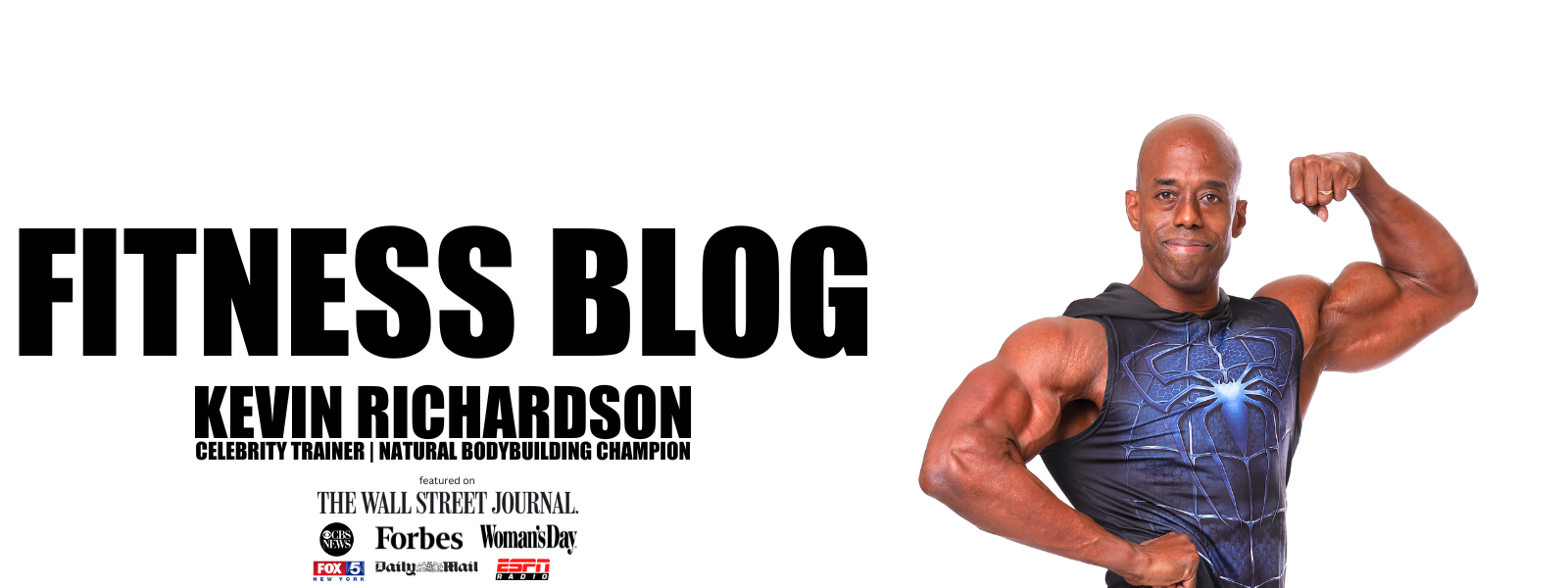
Using myself as an example, I consume on average anywhere from 3,000 to 3,500 kcal/day depending on my activity levels with all of my calories coming from minimally processed or completely natural foods. I weigh considerably more than most at my current weight of 212lbs and my body fat is estimated at this time to be at or about 7% or lower. My food intake is considerable, as I eat six to seven meals a day and I never had a problem maintaining a low body fat percentage eating as much food as I do. I don’t drink milk, protein shakes or juices of any kind- just water- which necessitates that I get all my calories solid foods only. I eat eggs and chicken- which costs a considerable amount unfortunately these days to get truly free range and non corn fed birds. I eat meat of some form every day as well, with a strong preference for leaner wild meats like bison, venison or grass fed and free range beef, goat or lamb. I eat fish every day- a wide range of wild caught fish that changes almost every day, but I tend to mostly eat the fishes that I grew up with in the West Indies as opposed to cold water fishes that are here in the temperate zones- unless I catch it myself. I don’t eat regular wheat products but I do eat oats, rices, roots and tubers as my carbohydrate sources (ground provisions- we call them back home) and of course fruits and nuts. It’s without question quite a lot of food- but it is what I need to keep increasing my strength and muscle mass while maintaining a very low body fat. Without my exercise program, or muscle mass such a diet would only make me fat- but it should be noted that for the past 23 years I have never trained more than three times a week for no more than 10-20 minutes per workout. High intensity training workouts that are brutally intense, but mercifully short form the foundation of all my accomplishments as a natural bodybuilder and most importantly it allowed me the ability to always have the time to train. Even over the past two decades that have seen me become a parent to five, working two jobs and now as an independent business owner that probably does far more than he should. The bottom line is that quality trumps quantity and at the end of the day consistency and sustainability are the most important aspects of any training program.
Overeating is indeed a problem for many today and it would be both unfair and irresponsible to brand calls to eat less as being without merit. Nutritional guidelines are not written for advanced athletes but rather for the sedentary majority of the population and they must take into consideration the foods that said population regularly consumes when recommendations are made. That being said, eating less processed foods are always a good idea, especially for those who are relatively inactive, but given the fact that we may very well have a genetic predisposition towards eating more as a lasting artifact of our earlier days of existence when we were more active, attempts to circumvent this inherent tendency may always be doomed to failure. Instead, the ideal may very well be an embrace of the idea of eating more and doing more to lose weight and keep it off.
Kevin Richardson is an award winning health and fitness writer, natural bodybuilding champion, creator of Naturally Intense High Intensity Training and one of the most sought after personal trainers in New York City. Read more about the science behind his high intensity training programs at his official website at www.naturallyintense.net
References
1. Stunkard AJ, McLaren-Hume M. The results of treatment for obesity. Arch Int Med 1959
2. Kassirer J, Angell M. Losing weight—an ill-fated New Year’s resolution. N Engl J Med 1998
3. Wing RR, Hill JO. Successful weight loss maintenance. Annu Rev Nutr 2001
4. Hedley AA, Ogden CL, Johnson CL, Carroll MD, Curtin LR, Flegal KN. Prevalence of overweight and obesity among US children, adolescents, and adults, 1999–2002. JAMA 2004
5. Allison DB, Fontaine KR, Manson JE, Stevens J, VanItallie TB. Annual deaths attributable to obesity in the United States. JAMA 1999
6. Eaton SB, Konner MJ. Paleolithic nutrition. A consideration of its nature and current implications. N Engl J Med 1988
7.Cordain L, Watkins BA, Florant GL, Kehler M, Rogers L, Li Y. Fatty acid analysis of wild ruminant tissues: evolutionary implications for reducing diet-related chronic disease. Eur J Clin Nutr 2002
8. Cordain L, Eaton SB, Sebastian A, Mann N, Lindeberg S, Watkins BA, O’Keefe JH, Brand-Miller. Origins and evolution of the Western diet: health implications for the 21st century. J. Am J Clin Nutr 2005
9. Cordain L, Gotshall RW, Eaton SB. Physical activity, energy expenditure and fitness: an evolutionary perspective. Int J Sports Med 1998
10. Cordain L, Brand Miller J, Eaton SB, Mann N, Holt SHA, Speth JD. Plant to animal subsistence ratios and macronutrient energy estimations in world wide hunter-gatherer diets. Am J Clin Nutr 2000
11. Nelson GJ, Schmidt PC, Kelley DS. Low-fat diets do not lower plasma cholesterol levels in healthy men compared to high-fat diets with similar fatty acid composition at constant caloric intake. Lipids 1995
12. O. Kaidar-Person, B. Person, S. Szomstein, and R. J. Rosenthal, “Nutritional deficiencies in morbidly obese patients: a new form of malnutrition? Part A: vitamins,” Obesity Surgery, 2008.
13. O. Kaidar-Person, B. Person, S. Szomstein, and R. J. Rosenthal, “Nutritional deficiencies in morbidly obese patients: a new form of malnutrition? Part B: minerals,” Obesity Surgery, 2008.
14. Gould SJ. The structure of evolutionary theory. Cambridge, MA: Harvard University Press, 2002.
15. Boaz NT. Evolving health: the origins of illness and how the modern world is making us sick. New York: Wiley & Sons, Inc, 2002.
16. Nesse RM, Williams GC. Why we get sick. The new science of Darwinian medicine. New York: Times Books, 1994.
17. Eaton SB & Eaton SB An evolutionary perspective on human physical activity: implications for health. Comparative Biochemistry and Physiology 2003
18. Eaton SB, Konner M & Shostak M (1988) Stone Agers in the fast lane: chronic degenerative diseases in evolutionary perspective. American Journal of Medicine
19. Walker A & Leakey R (editors) (1993) Perspectives on the Nariokotome Homo erectus skeleton. In The Nariokotome Homo Erectus Skeleton. Cambridge, MA: Harvard University Press
20. Ruff CB, Trikhaus E, Walker A, Larsen CS. Post cranial robusticity in Homo. 1. Temporal trends and mechanical interpretation, Am. J. Physical Anthropol. 1993
21. Bridges PS. Skeletal biology and behavior in ancient humans. Evol. Anthropol. 1996
22. Marlowe, F. W. “Hunter-gatherers and human evolution”. Evolutionary Anthropology: Issues, News, and Reviews. 2005
23. SB Eaton et al. Paleolithic nutrition revisited. Euro J. Clin. Nutr. 1997
24. National health and nutrition examination survey. Intake of calories and selected nutrients for the United States population 1999-2000. CDC
25. Cordain L, Gotshall RW & Eaton SB. Physical activity, energy expenditures and fitness: an evolutionary perspective. International Journal of Sports Medicine 1988
26. Astrand P-O. Whole body metabolism. In: Horton E, Terjung R. editors. Exercise, Nutrition and Energy Metabolism. MacMillan 1988
27. Sahlins MD. Notes on the original affluent society. In: Lee RB, DeVore I. editors. Man the hunter. Aldine 1968
28. Lee RB. The !Kung San. Men, women and work in a foraging society. Cambridge University Press 1979
29. Gilba MJ. High-intensity Interval Training: A Time-efficient Strategy for Health Promotion. Canada Current Sports Medicine Reports 2007
30. Tremblay, A. et al. Impact of exercise intensity on body fatness and skeletal muscle metabolism. Canada Metabolism. 1994
31. Burgomaster KA, Krista R. Howarth KR, Phillips SM, Rakobowchuk M, MacDonald MJ, McGee SL, Gibala MJ Similar metabolic adaptations during exercise after low volume sprint interval and traditional endurance training in humans. – J Physiol 2008
32. Tabata I, Nishimura K, Kouzaki M, Hirai Y, Ogita F, Miyachi M, Yamamoto K. Effects of moderate-intensity endurance and high-intensity intermittent training on anaerobic capacity and VO2max.-Med Sci Sports Exerc. 1996
33. Toobey J, Cosimides L. The past explains the present; emotional adaptations and the structure of ancestral environments. Ethol Sociobiol 1990
34. Kious, Brent M. Hunter-gatherer Nutrition and Its Implications for Modern Societies. Nutrition Noteworthy. 2002
35. Wang C, Catlin DH, Starcevic B, Heber D, Ambler C, Berman N, Lucas G, Leung A, Schramm K, Lee PW, Hull L, Swerdloff RS. Low-fat high-fiber diet decreased serum and urine androgens in men. J Clin Endocrinol Metab. 2005


Pingback: Are Protein Shakes Bad for You? They Are And They Can Make You Fat | Naturally Intense High Intensity Personal Training™ Blog
Pingback: Losing Weight Can Make You Gain Weight- Understanding The Paradox | Naturally Intense High Intensity Personal Training™ Blog
Pingback: Understanding Calories And How They Relate to Weight Loss | Naturally Intense High Intensity Personal Training™ Blog
Pingback: Keeping Us Fat- Why Not Losing Weight Is Profitable | Naturally Intense High Intensity Personal Training™ Blog
Pingback: The Slow Metabolism Myth- Understanding The Real Factors Behind Weight Gain | Naturally Intense High Intensity Personal Training™ Blog
Pingback: A Really Tough Quiz On Diet, Exercise & Nutrition | Naturally Intense High Intensity Personal Training™ Blog
Pingback: Can Bread Make You Gain Weight? The Role Of Bread In Our Diet | Naturally Intense High Intensity Personal Training™ Blog
Pingback: Best Health & Fitness Articles Of 2012: The Top 10Naturally Intense High Intensity Personal Training™ Blog | Naturally Intense High Intensity Personal Training™ Blog