Archive

Author Archive

Top 10 Health & Fitness Articles Of 2011

January 11th, 2012 No comments

Top heatlth & fitness articles of 2011

Top 10 Health & Fitness Articles Of 2011


In 2011 over a quarter of a million people read our blog articles as it has become more and more popular over the past several months. In this posting we take a look at the top ten most popular health and fitness articles posted in 2011. To determine popularity we looked not only at the number of ‘Likes’ and ‘Tweets’ but also factored in the number of readers and reader response. Hopefully some of your favorites made it into the final top ten list and I am sure that you will find a few other gems that you may have missed! Thanks again for the continued support!


Top 10 Health & Fitness Articles of 2011


10. The Anti-Aging Properties Of Weight Training & Resistance Exercise

A detailed look at how our body ages on a cellular  level and how weight training and resistance exercise can play a significant role in maintaining quality of life as you get older. You can read the article in its entirety here.


9. Sweating Has Nothing to Do With Losing Fat

Getting a good sweat is thought of as the key to a good fat burning workout, however sweating has nothing to do with fat loss and is a poor indicator of how much fat you are burning while training or doing any physical activity. Read the article in its entirety here.


8. Tongol Tuna- A Safe Real Food Choice

I started writing about the benefits of tongol tuna several years ago and in this article we go over the problem of mercury in fish and the role of tongol tuna as a lower mercury alternative to traditional albacore tuna. You can read the article in its entirety here.


7. Six Pack Abs- It’s Not What You Do- It’s What & How You Eat

The quest of six pack abdominals has become the Holy Grail for many as the ultimate goal of their diet and exercise program. Unfortunately a surge of exercise products and services have sprung up over the years offering consumers much in the way of false hope by promoting various exercises as the way to a chiseled midsection. As lucrative as these products may be they not only don’t work, but distract us from the reality that a six pack comes from what and how you eat more than what type of exercises you do. You can read the article in its entirety here.


6. Multi-Vitamins & Vitamin Supplements Do More Harm Than Good

Multi-vitamins have long been thought of as a must have for anyone serious about their health. However hundreds of studies show that not only are multi-vitamins unnecessary for a population that is not clinically deficient in any major nutrient, but that they may actually increase the likelihood of certain diseases. If you take multi-vitamins or any vitamin supplement this is an article that you owe it to yourself to read.  You can read the article in its entirety here.


5. The Economics Of Obesity- Why The Food Industry Needs Us to Overeat

One of the biggest problems we face in the fight against obesity and growing diet related problems is the fact that the government plays a key role in supporting and promoting the food industries that make the very foods that we ought to avoid. In this in depth two part article we take a look at how the industry makes us eat more and how important overeating has become for the sustainability of the American economy as we know it. A must read for anyone interested in the behind the scenes machinery that allows corporations to wreak havoc with public health. You can read the article in its entirety here.


4. Can Bread Make You Gain Weight?

There is a common belief that bread will make you gain weight but the truth is that if you eat anything more than you should you’ll put some extra pounds on. In this article we take a look at the history of one of our oldest foods and debunk some of the myths about bread while showing the major differences between what we eat today and the bread that sustained our forefathers. You can read the article in its entirety here.


3. How Do Muscles Get Bigger And Stronger?

While many slave away at the gym in the quest for bigger and stronger muscles, few take the time to understand the mechanisms by which our muscles grow. In this comprehensive piece we take a look at our body’s response to stress, how it translates into improvements in our physiques and our performance and why training less is best. You can read the article in its entirety here.


2. Rethinking The Need For Cardio- Why Aerobics Don’t Work Well For Fat Loss

Aerobic type exercise is without question the most popular fitness activity for those bent on losing weight- however numerous studies and an understanding of the physiology of how our cardiovascular and muscular systems interact show that it isn’t the most effect form of exercise if weight loss is your ultimate goal. You can read the article in its entirety here.


1. Are Protein Shakes Bad For You?

The most popular article of the 2011 is about the now ubiquitous protein shake. While a staple in the dietary regime of almost all gym goers there is yet no real evidence that protein shakes actually help increase muscle mass or improve performance. In fact, evidence suggests that they might not necessarily be a good choice for someone interested in getting into peak shape. You can read the article in its entirety here.


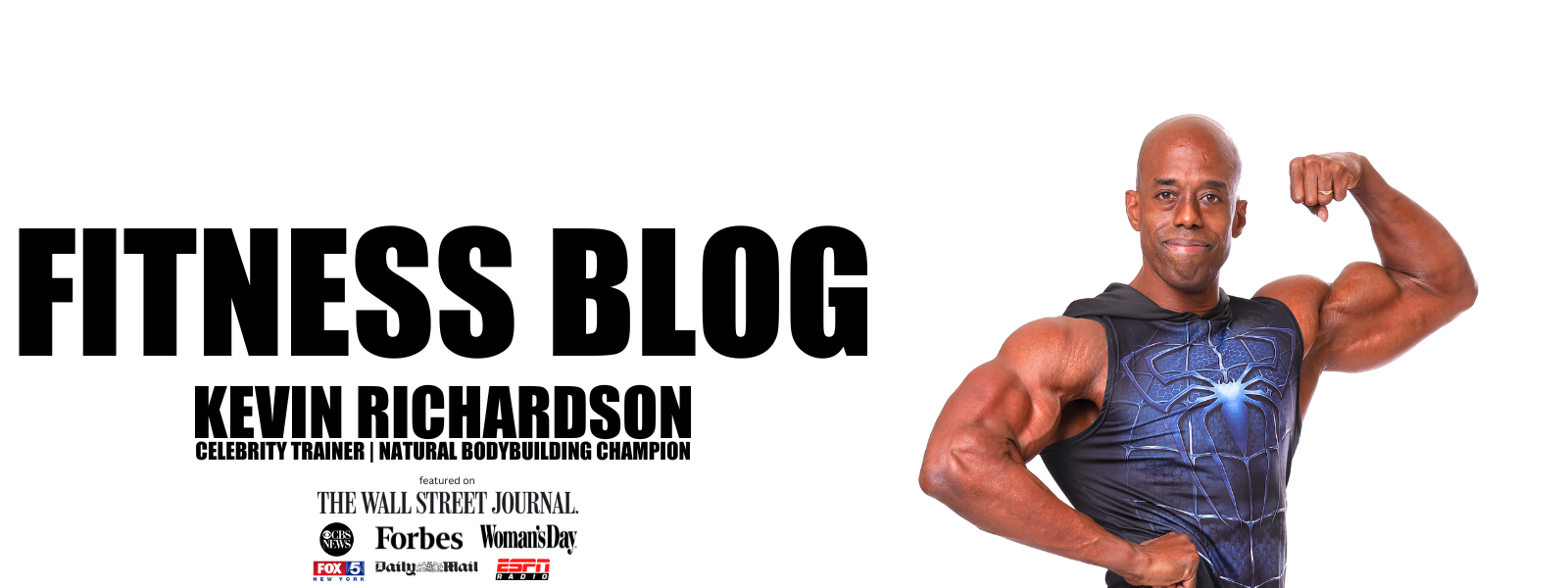
Celebrity NYC personal trainer Kevin Richardson is the creator of Naturally Intense High Intensity Training and one of the most sought after personal trainers in New York City. Get a copy of his free weight loss e-book here. You can contact Kevin at 1-800-798-8420.


Email Newsletter icon, E-mail Newsletter icon, Email List icon, E-mail List icon
Sign up for our Email Newsletter

The Anti-Aging Properties Of Weight Training & Resistance Exercise

December 29th, 2011 No comments

Weight training can help change the narrative of decline in aging

The Anti-Aging Properties Of Weight Training & Resistance Exercise


As you read this article you, like every other person alive on the planet, are getting older. From the moment we are born, we begin to age but unfortunately, most of us don’t really pay any mind to getting older until we start seeing tangible signs of the passage of time on our body. Thanks to advances in medical technology and improvements in living conditions. people are living longer than ever.  So much so that by the year 2030, there will be more than twice the number of Americans over the age of 65 than there was in the year 2000.[1] Unfortunately, here in the West the very process of aging is looked upon as an illness in dire need of ‘treatment’- a way of thinking based on the fact that for most Americans aging is indeed a narrative of decline. Increased body fat, significant loss of muscle mass and strength to the point of infirmity in addition to the slew of age associated conditions such as cardiovascular disease, diabetes, hypertension and osteoporosis are erroneously seen as an inevitable consequence of growing older. However, studies of older individuals who regularly engaged in weight training and bodybuilding have always challenged the idea that such infirmities come more as a self-fulfilling prophecy as a result of inactivity and poor dietary choices than a fate that we are all destined to suffer.[2] In this article, we will take a look at the physiological aspect of aging and how weight training and resistance exercise can create what gerontologists today term successful aging- namely getting older with a low probability of disease or physical disability, maintaining high cognitive and physical function and having an active engagement with life in your later years.[3,4]


Understanding The Mechanisms Of Aging
So, how exactly does aging occur? We can easily see the results of aging but there are certain biological mechanisms at work that we are often unaware of. The number cells that make up our body are kept at a relatively steady number through the process of mitosis (cells dividing) matched by the number of cells dying. This balance (homeostasis) is necessary for optimal health and body function however this equilibrium cannot be maintained indefinitely. In what is called the Hayflick limit, all animal cells have a limited number of times that they can reproduce. As we get older, senescence sets in- which is a decline in the ability of our bodies’ cells to divide. This usually starts in our early thirties and continues on throughout our lives. One prevailing theory is that the everyday occurrence of cellular reproduction leads to cumulative damage to our DNA and cells begin to die or not function correctly. This process, called apoptosis is actually beneficial as it acts a way of ‘cleaning up’ that benefits the healthy remaining cells. Taken as a whole, aging thus is nothing more than our bodies decline in being able to deal with stress. Maintaining homeostasis becomes more and more difficult until a point is reached where the organism dies.

The Role Of Weight Training In The Prevention of Muscle Wasting


Building muscle however through the use of a well executed weight training program of sufficient intensity is a way of increasing our bodies’ potential response to stress. As we get older, one of the main aspects working against us from being as strong and as built as we were in our younger years is sarcopenia. Sarcopenia which means literally ‘poverty of the flesh’, refers to the loss of skeletal  muscle mass that comes with aging which in turn leads to weakness and frailty. For the average member of the population, as much as 50% of your skeletal muscle mass is lost between the ages of 20 and 90 years resulting in in a corresponding reduction in muscular strength. Such loss of muscle mass is usually associated as well with an increase in overall body fat. However as normal an occurrence this might be for most of us, studies suggest that lack of exercise- or more specifically weight bearing resistance exercise (like weight training) may be one of the overriding causes of sacropenia.[5]

We don’t have to lose such large amounts of muscle mass as we age, but without an active lifestyle that incorporates some form of resistance exercise over the course of time our bodies will indeed fall victim to the syndrome of ‘use it or lose it.’ While it would be absurd to think that weight training can allow you to be strong and muscular as you were in your twenties, preliminary research shows that those who engage in intense weight training over the course of their lifetime are able to demonstrate physical qualities and abilities on par with if not exceeding that of untrained individuals in their twenties while well into their fifth decade of life. With most of our medical anti-aging focus resting on the shoulders of pharmaceutical companies trying to find a pill form solution to the combat the effects of the march of time, comparatively little is invested in researching protocols that are far less potentially lucrative such as weight training. Nevertheless, short term studies thus far do indeed show that resistance exercises like weight training increase the ability of our muscles to synthesize proteins and thus minimizing the advent of skeletal muscle decline over the years. [6,7]

Getting Older- A Detailed Look At The Physiology

Weight lifting as an anti-aging protocolAs we get older, it is not only our muscles that get significantly weaker without physical activity but also our bones. Increased bone porosity and reduction in bone mass can lead to the debilitating effects of osteoporosis. Which as we know can be both reversed and prevented by the implementation of weight bearing activities such as weight training.[8] (Read my article on how weight training prevents osteoporosis here). There are some aspects however that are beyond our control, as with the advancing years comes a natural decrease in the speed of nerve conduction, reduction in peak cardiovascular ability as well as a decline in kidney and other organ function. As mentioned earlier in an explanation of the Hayflick limit- our cells have a limited number of reproductions- and as you get older the motor units (motoneurons) in your fast twitch muscles begin to die. You don’t immediately notice it, as our bodies have a remarkable system of compensating. Consider that a muscles in  your leg may have 250 motor units with each motor unit having as many as a thousand muscle fibers under its control.

This ratio of motor units to muscle fiber is known as an innervation ratio and in this case would be 1,000 muscle fibers per motoneuron.
Over the course of time, those 250 motor units in your leg muscle may drop by as much as half to 125 by the time you are 70 years old, and you would think that this would make you only half as strong, but it isn’t that straightforward. You see, we lose muscle fibers at a much slower rate than motor units so you would have only lost 10% of the muscle fiber in that leg muscle by the age of 70. However, the remaining 125 motor units sprout new branches to the muscle fibers that have lost their motor units to activate them and do more work than they did before. As a result, there is a higher innervation ratio, in this example it would be let us say 1,500 muscle fibers per motoneuron as our motor units take control of more muscle fibers as a way of helping us retain our strength as we get older.

Our nervous system also slows with the passage of time and so the mechanisms of muscle contraction slows down as well. Despite these natural declines, regular resistance type exercise and an overall active lifestyle can help minimize and offset the effect of these changes in our bodies. The more muscle mass built up over time, the more strength, coordination and motor skills you will have as you get older. A point lost sadly on the millions of women who invest most of their time pursuing aerobic type exercises and lower impact activities like yoga out of a misplaced fear of developing man-sized muscles and thus curtail their involvement in weight training- the very exercises that will help them stay looking and feeling younger as the years go by. (See my article on Should Women Weight Train Like Men)


Hormone Replacement Isn’t Always The Answer
Our hormones also play a role in the reduction of our muscle mass as we get older. Testosterone, growth hormone and insulin-like growth factor (IGF) help our bodies’ build and maintain muscle mass but there is a marked reduction in production as we get older. High intensity weight training has been shown to increase all three hormones [9,10,11] naturally and within standard human parameters. It might sound like a good idea to forgo weight training and instead turn to hormone replacement therapies but research shows that this reduction in hormones may be a key mechanism that allows us to live longer. Mammalian models with reduced growth hormone (GH) and/or IGF-1 appear to live longer[12,13] and while the administration of testosterone replacement therapy for men has become a lucrative and fast growing industry here in the United States, presently available data do not justify the broad use of such hormones for anti-aging purposes.[14,15]


Effects Of A Lifetime Of Weight Lifting On the Aging Process


Kenny Hall- an example of the anti-aging effects of weight training

My inspiration- Kenny Hall pictured in his early seventies

While it is established that there is a natural decline in our bodies from the age of 30 or so due to the processes mentioned above- there are also many examples of individuals who defy the narrative of decline for far longer than one would expect. In 1987, Dr. Fredrick Hatfield- (or Dr. Squat as he is affectionately known) set a world powerlifting record squatting over 1,000 lbs at the age of 45- more than any human being in history had ever successfully lifted in competition. A feat he was able to continue well into his fifties. My good friend and natural bodybuilder Kenny Hall started competing in his twenties and kept on winning titles for the next half a century. His greatest accomplishment was winning the Pro Mr. America in 1969 but he maintained a level of muscle mass and definition that allowed him to easily best other competitors decades younger than he was until he retired in his 70’s so that others would have their chance to win as well.

The science of Gerontology has only just started to pay attention to the amazing examples set by those engaged in a lifetime of weight training and drug free bodybuilding and research reveals that involvement in such activities can ‘create possibilities for people to age positively and reconstruct what aging “normally” means.”[2,16,17,18] Such studies also highlight the self fulfilling prophecy that our society’s acceptance of advancing age as a time of disengagement, dysfunction and disease goes a long way in our not taking action to prevent it from being just that.  As long as we see aging as a downward trajectory of physical and mental deterioration, we are doomed to experience it as such. One of the common perspectives of men and women involved in weight training activities over the course of their lives and who exhibit remarkable physicality into the later sixth decades of life is what was termed a ‘mondadic styled’ body. In short, they focused on who they were and what they were doing as opposed to being influenced by what society expected them to be or the examples of their peers whose aging process tended to follow the narrative of decline that we are so used to hearing. Without turning to hormonal solutions that can often cause more problems than they solve, these individuals centered themselves on following a lifestyle. A lifestyle that allows them to significantly offset the impact of aging and achieve what we are all looking for- twilight years that aren’t defined by disease and disability but by engagement with life on all levels. We don’t need drugs or DeLeon’s fabled fountain of youth, we just need to make certain forms of exercise a part of our lives at all times.

Related Articles-

How Do Muscles Get Bigger & Stronger

How Weight Training Increases Bone Mass


Kevin Richardson is an award winning health and fitness writer, one of the most sought after personal trainers in New York City and creator of Naturally Intense High Intensity Training™. Get a copy of his free weight loss ebook here. If you live in the New York metropolitan area and need help losing weight or taking your body to the next level give Kevin and his team a call at 1-800-798-8420 or click here to get started with 50% off your trial personal training session.


Email Newsletter icon, E-mail Newsletter icon, Email List icon, E-mail List iconSign up for our Email Newsletter


For Email Marketing you can trust


References:
1. Administration on aging- Dept of Health & Human Services.
2. Phoenix C, Smith B. Telling a (Good) Counterstory of Aging: Natural Bodybuilding Meets The Narrative of Decline. J Gerontol B Psychol Sci Soc Sci (2011
3. Rowe JW, Kahn RL (1987). “Human ageing: usual and successful”. Science 237 (4811): 143–9. doi:10.1126/science.3299702. PMID 3299702.
4. Rowe JW, Kahn RL (1997). “Successful ageing”. Gerontologist 37 (4): 433–40
5 Abate M, Di Iorio A, Di Renzo D, Paganelli R, Saggini R, Abate G (September 2007). “Frailty in the elderly: the physical dimension”. Eura Medicophys 43 (3): 407–15. PMID 17117147.
6. Hasten, Debbie L; Pak-Loduca J, Obert KA, Yarashski KE (2000). “Resistance exercise acutely increases MHC and mixed muscle protein synthesis rates in 78–84 and 23–32 yr olds”. Am J Physiol Endocrinol Metab 278: E620–E626.
7. Yarasheski, Kevin E (2003). “Aging, and Muscle Protein Metabolism”. J Gerontol A Biol Sci Med Sci 58(10): M918-M922.
8. High-intensity resistance training and postmenopausal bone loss: a meta-analysis.Martyn-St James M, Carroll S. Osteoporosis Int. 2006
9. Pak-Shan Leung,1 William J. Aronson,2 Tung H. Ngo,1 Lawrence A. Golding,3 and R. James Barnard. Exercise alters the IGF axis in vivo and increases p53 protein in prostate tumor cells in vitro. TRANSLATIONAL PHYSIOLOGY
10. Zmuda JM, Thompson PD, Winters SJ. Exercise increases serum testosterone and sex hormone-binding globulin levels in older men. Metabolism. 1996 Aug;45(8):935-9.
11. Godfrey RJ, Madgwick Z, Whyte GP. The exercise-induced growth hormone response in athletes.Sports Med. 2003;33(8):599-613.
12.Berryman DE, Christiansen JS, Johannsson G, Thorner MO, Kopchick JJ. Role of the GH/IGF-1 axis in lifespan and healthspan: lessons from animal models.Growth Horm IGF Res. 2008 Dec
13.Carter CS, Ramsey MM, Sonntag WE. A critical analysis of the role of growth hormone and IGF-1 in aging and lifespan.Trends Genet. 2002
14. Heutling D, Lehnert H.[Hormone therapy and anti-aging: is there an indication?].Internist (Berl). 2008 May
15. Kliesch S[Hormone therapy in the aging male. Estrogen, DHEA, melatonin, somatotropin].Urologe A. 2004
16. Dionigi, R. (2008). Competing for life, older people, sport and ageing. Verlag, Germany: VDM Verlag.
17. Grant, B. C. (2001). ‘You’re never too old’: Beliefs about physical activity and playing sport in later life. Ageing and Society
18. Phoenix, C. (2010). Auto-photography in aging studies: Exploring issues of identity construction in mature bodybuilders. Journal of Aging Studies
Zehr P. Becoming Batman- John Hopkins University Press

Short High Intensity Training As A Preventative Factor Against Pre-Diabetes

December 22nd, 2011 No comments

High intensity training can be a preventative factor against prediabetes and diabetes

Brief High Intensity Training As A Preventative Factor Against Pre-Diabetes

For the last two decades the diabetes rate here in the United States has increased significantly and it continues to rise with no signs whatsoever of those numbers going down anytime soon. According to a recent survey conducted by the Center For Diseases & Control nearly 26 million Americans have diabetes, with 95% of those cases being type 2 diabetes, in which the body gradually loses its ability to use and produce insulin. A number that by no means small, but what is more disturbing is that estimates are that 79 million Americans are prediabetic.  That’s over one third of the entire US population. A number that reaches out and touches all of us- our friends, our families and us individually as well. Being prediabetic means having blood sugar levels that are higher than what ideal levels should be, but not high enough to be clinically diagnosed as being diabetic.[1,2]


Unfortunately, prediabetes increases your risk of developing type 2 diabetes in addition to the risk of cardiovascular disease and stroke.  What experts term as the  ‘Western Style Diet’ has been implicated as the central cause of our increased rates of diabetes[3] in addition to sedentary lifestyles and obesity. Eating better is an important part of the fight against diabetes but equally important is the need to integrate a regular routine of exercise and physical activity.  However given the demands of modern living most cite lack of time as being the primary reason they don’t engage in regular exercise. [4]That being said, infrequent bouts of brief high intensity training routines of 10-15 minutes have been shown to have a positive effect in improving insulin action and thus could be the answer to those without adequate time to train with a predisposition towards diabetes and obesity.[5]


What Is Prediabetes?

Pre-diabetes occurs when insulin levels are higher than normal

As mentioned above, prediabetes usually precedes a full diabetic diagnosis and is characterized by impaired fasting glucose where fasting blood sugar levels are higher than normal but not elevated to the point of a diabetes mellitus classification. Long term, large scale studies have shown that being prediabetic can cause long term damage to the heart and circulatory system and increase your risk of dying from cardiovascular disease even though there isn’t a full diagnosis of diabetes.[6, 7] Unfortunately, for many there are no marked symptoms of prediabtes, unlike diabetes mellitus which while sometimes difficult to identify without clinical testing does at times have some signs such as fatigue, weight gain,  difficulty seeing, slow healing of cuts and wounds as well as tingling or loss of sensation in the extremities. That being said, given the widespread nature of prediabetes, fasting plasma glucose screening is important for everyone over the age of 30 and might be a good idea for younger individuals who are at risk due to lifestyle and or a high incidence of family history with diabetes.

High Intensity Training As A Preventative Factor Against Pre-Diabetes

The key however, aside from maintaining a healthy body weight through proper diet is to also be sure to incorporate exercise into your routine as a way of both preventing and reducing the risks associated with higher blood fasting levels. One of the easiest and most efficient ways to do this is though the implementation of a high intensity training program- which does not require much in the way of time (as little as three workouts of ten to fifteen minutes duration per week) and is a practical solution for todays’ personal time deprived lifestyles. According to a recent study extremely short duration high intensity training significantly improves insulin action in young healthy males. Type 2 diabetes is a very health problem here in the United States and in developed countries- a veritable pandemic affecting millions of children and adults alike. While it has been conclusively established that the risk of developing Type 2 diabetes can be reduced by regular exercise [8]. It is also true that most people find it difficult to consistently follow a routine due to lack of time as conventional exercise guidelines call for at least an hour of aerobic type activity five times a week. The commitment required for such training protocols are beyond the means of most living within the constraints of the very hectic realities of modern life. As many experts in the field have noted, in order for an exercise protocol to as well as a health benefit for the individual, not only should the regime reliably modify key disease risk factors, it must also be plausible to implement.


The Role Of Short High Intensity Training In Improving Insulin Action & Blood Sugar


Short high intensity workouts can improve blood sugar action

You don't need to train for hours to improve your blood sugar response if you train at high intensity.

Brief high intensity training workouts have been demonstrated to produce improvements in aerobic function, but it was previously unknown whether high intensity training had the capacity to improve insulin action and hence glycemic control. An important study published in the journal BMC Endocrine Disorders however shows that such brief high intensity training may indeed have a pivotal role as a time saving exercise protocol for the prevention of diabetes. For the study 16 young men in their early twenties underwent a regime of 15 minute high intensity training for two weeks using stationary bicycles. Aerobic performance assessment as well as an oral glucose tolerance test to determine insulin response were administered both before and after the training periods. At the end of the two weeks of high intensity training researchers observed a significant increase in insulin action in addition to an increase in aerobic performance. Researchers concluded that “the efficacy of a high intensity exercise protocol, involving only ~250 kcal of work each week, to substantially improve insulin action in young sedentary subjects is remarkable…This novel time-efficient training paradigm can be used as a strategy to reduce metabolic risk factors in young and middle aged sedentary populations who otherwise would not adhere to time consuming traditional aerobic exercise regimes.”[9]


It’s Not How Long You Train- It’s How Hard You Train

Studies conducted at Arizona State University and Texas University not only confirm the increase in insulin action as a result of high intensity resistance training, but highlight two very important conclusions-

  1. Higher intensity multiple set training protocols yielded the greatest treatment effect in improving both fasting glucose and insulin sensitivity.[10]
  2. High volume resistance training is not a requirement for improved insulin sensitivity as a result of exercise as individuals performing high intensity low volume exercise have similar improvements in insulin sensitivity as those engaged in higher volume training programs. [11]


Taking this into consideration, a high intensity training protocol is one that many pressed for time should seriously consider. Not only have short intense workouts been demonstrated to improve insulin action but it has also been shown to increase muscle mass, increase endurance and aerobic capacity and decrease body fat better than aerobic exercise and conventional high volume training programs.[12,13,14,15,16,17,18] All the while increasing bone density, improving cardiovascular health and significantly reducing both the incidence and severity of depression.[19,20,21,22]

References: 

 1. Power of Prevention, American College of Endocrinology. Vol. 1, issue 1, January 2009. http://www.powerofprevention.com/POP_magazine_Jan2009_final.pdf/
2.  Jellinger, Paul S. “What You Need to Know about Prediabetes.” Power of Prevention, American College of Endocrinology. Vol. 1, issue 2, May 2009
 3. Wild S, Roglic G, Green A, Sicree R, King H (May 2004). “Global prevalence of diabetes: estimates for 2000 and projections for 2030″. Diabetes Care
 4. Gilba MJ. High-intensity Interval Training: A Time-efficient Strategy for Health Promotion. Current Sports Medicine Reports 2007
5. Babraj JA, Vollaard BJ, Keast C, Guppy FM, Cottrell G, Timmons JA. Extremely short duration high intensity interval training substantially improves insulin action in young healthy males- BMC Endocr Disord. 2009
6. Fontbonne A, Charles MA, Thibult N, Richard JL, Claude JR, Warnet JM, Rosselin GE, Eschwège E. Hyperinsulinaemia as a predictor of coronary heart disease mortality in a healthy population: the Paris Prospective Study, 15-year follow-up. Diabetologia. 1991
7. Barr EL, Zimmet PZ, Welborn TA, et al. (2007). “Risk of cardiovascular and all-cause mortality in individuals with diabetes mellitus, impaired fasting glucose, and impaired glucose tolerance: the Australian Diabetes, Obesity, and Lifestyle Study
8. C. A. Witczak1 and M. Sturek. Exercise prevents diabetes-induced impairment in superficial buffer barrier in porcine coronary smooth muscle. Journal of applied Physiology
 9. Pedersen BK, Saltin B: Evidence for prescribing exercise as therapy in chronic disease. Scand J Med Sci Sports 2006
 10. Black LE, Swan PD, Alvar BA. Effects of intensity and volume on insulin sensitivity during acute bouts of resistance training. J Strength Cond Res. 2010 Apr;24(4):1109-16.
 11. Reed ME, Ben-Ezra V, Biggerstaff KD, Nichols DL. The Effects of Two Bouts of High- and Low-Volume Resistance Exercise on Glucose Tolerance in Normoglycemic Women. J Strength Cond Res. 2011 Dec 8.
12. Hawley JA,  Specificity of training adaptation: time for a rethink? Physiol. 2008
13. Tremblay, A. et al. Impact of exercise intensity on body fatness and skeletal muscle metabolism. Physical Activities Sciences Laboratory, Laval University, Quebec, Canada Metabolism.1994; 43(7): 814-818.
14.  Tabata I, Nishimura K, Kouzaki M, Hirai Y, Ogita F, Miyachi M, Yamamoto K.-Med Sci Sports Exerc. 1996 Oct;28(10):1327-30.Effects of moderate-intensity endurance and high-intensity intermittent training on anaerobic capacity and VO2max.
15. Burgomaster KA, Howarth KR, Phillips SM, Rakobowchuk M, MacDonald MJ, McGee SL, Gibala M. Similar metabolic adaptations during exercise after low volume sprint interval and traditional endurance training in humans.  J Physiol 586: 151-160, 2008
16. Bahr R (1992). “Excess postexercise oxygen consumption–magnitude, mechanisms and practical implications”. Acta Physiologica Scandinavica. Supplementum 605
 17. Bahr R, Høstmark AT, Newsholme EA, Grønnerød O, Sejersted OM (September 1991). “Effect of exercise on recovery changes in plasma levels of FFA, glycerol, glucose and catecholamines”. Acta Physiologica Scandinavica 143
 18. Bielinski R, Schutz Y, Jéquier E (July 1985). “Energy metabolism during the postexercise recovery in man”. The American Journal of Clinical Nutrition 42
 19. High-intensity resistance training and postmenopausal bone loss: a meta-analysis.Martyn-St James M, Carroll S. Osteoporos Int. 2006
 20. Doyne EJ, Ossip-Klein DJ, Bowman ED, Osborn KM, McDougall-Wilson IB, Neimeyer IB. Running Versus Weight Lifting in the Treatment of Depression. Journal of Consulting and Clinical Psychology.
 21. Martinsen EW, Hoffart A, Solberg O. Comparing aerobic and non aerobic forms of exercise in the treatment of clinical depression: a randomized trial. Comprehensive Psychiatry
 22. Singh NA, Stavrinos TM, Scarbeck Y, Galambos G, Liber C, Singh MA. A randomized controlled trial of high versus low intensity weight training versus general practitioner care for clinical depression in older adults. Journal of Gerontology: Medical Sciences


Kevin Richardson is an award winning health and fitness writer, one of the most sought after personal trainers in New York City and creator of Naturally Intense High Intensity Training™. Get a copy of his free weight loss ebook here. If you live in the New York metropolitan area and need help losing weight or taking your body to the next level give Kevin and his team a call at 1-800-798-8420 or click here to get started with 50% off your trial personal training session.


Email Newsletter icon, E-mail Newsletter icon, Email List icon, E-mail List iconSign up for our Email Newsletter


For Email Marketing you can trust


Sleep And Weight Loss- Not Enough Sleep Can Make You Gain Weight

December 8th, 2011 No comments

Sleep and weight loss- not enough sleep can make you gain weight

Sleep And Weight Loss- Not Enough Sleep Makes You Gain Weight


In this day and age, not sleeping is seen not only as an admirable trait but as a noble requirement for anyone aspiring towards any degree of financial success. Compared to years past Americans sleep far less than they ever did with twenty percent of the population reportedly getting less than six hours of sleep a night. That’s one in five in the realm of being chronically sleep deprived while the rest of the nation isn’t doing that much better with the number of people reportedly getting less than eight hours of sleep increasing drastically as the years go by. Contrast this with a century ago when the US national average was around 9-10 hours of sleep per night! A dream for most by today’s standards (pardon the pun) as that is far beyond what any average member of the society gets today.  This overall reduction in sleep time unfortunately applies not only to adults, but to children as well.  There are so many more stimuli in our lives that stealthily rob us of our precious time in bed. Television and the internet play a major role in making both children and adult lives stay up longer but our increased work times are also significant. In a sense we have sacrificed sleep for increased productivity. Working more and becoming a nation of robot like machines fueled by coffee and the caffeinated energy drink of the day. What is overlooked in this equation is the effect of sleep deprivation not only on our overall health but as a contributing factor to the increased numbers of overweight American adults and children. Numerous studies have found that not enough sleep can make you gain weight and experience has shown that it can also seriously sabotage your weight loss efforts!


Second only to casual alcohol consumption, the common denominator among my clients who had difficulty losing weight over the past twenty years has been sleep deprivation. Not only was lack of sleep a physiological barrier to them losing weight as easily as others who were eating well and sleeping normally, but it also appeared to be a behavioral obstacle- as those who stayed up longer tended to consume more calories and were more likely to eat more junk food at the end of the day. It is very much a vicious cycle as eating significant amounts of food late at night makes it physically harder for you to fall asleep, affects your sleep quality and reduces how long you can stay asleep.[1] (See our article on Night Eating Syndrome)  In this article we will take a look at the insidious role of sleep deprivation in making us fatter and how the very demands of the modern workplace may be working against your health and your waistline.


Not enough sleep can make weight loss difficult

Most are sleep deprived during the week and then try to make up for it on weekends- which only makes it easier for you to gain weight.

When sleep deprivation studies on laboratory animals were first carried out researchers confirmed what most of us would think to be true – namely that sleep deprived animals would suffer a decrease in overall body weight over time.2, 3. However numerous epidemiological studies with humans show quite the opposite effect- that humans tend to gain weight as a result of sleep deprivation.[3,4,5,6,7] A explanation of this phenomenon may come as a consequence of human sleep deprivation in the real world occurring because of alterations between periods of restricted sleep followed by periods of increased sleep. A chronic pattern that mirrors our five day work week during which most sleep far less than optimal times followed by weekends where many attempt to make up for sleep lost during the week. A study conducted by researchers at the University of Groningen in the Netherlands set out to model human conditions of chronic sleep restriction by having male rats endure 5 day periods of sleep deprivation followed by a 2 day period of sleep allowance. There was also a control group of rats who were consistently sleep deprived. In the first few weeks there was some loss of body mass in the sleep deprived rats, but in the following weeks there were two incredibly important changes that were observed:

The first was a significant increase in food intake on days that the rats were sleep deprived.

The second finding was an increase in weight gain during the weekends where the rats were allowed to sleep for regular periods of time.

What is fascinating about the weight gain is that the food intake during those days was not notably different from the food intakes of the sleep deprived rats in the control group who lost weight during the period eating the same amount of food.[3]


Sleep Deprivation and Hormones- How Lack Of Sleep Affect Hormones That Make Us Gain Weight

There is without question no shortage of well controlled studies of both humans and animals that underline the fact that the chronic partial sleep loss that has become the benchmark of our times may increase your risk of obesity. Research has shown that there are marked changes in metabolism and endocrine function as a result of sleep deprivation in both adults and children.[4,7]

Sleep restriction plays a major role in affecting us hormonally, namely by:

  1. Decreasing glucose tolerance- which not only can lead to weight gain but an increased risk of diabetes and cardiovascular disease [8]
  2. Increasing insulin sensitivity- insulin resistance is a precondition to diabetes and is recognized as a contributing factor to obesity and weight gain. Interestingly enough, caffeine used to offset the effects of inadequate sleep also plays a role in increasing insulin resistance as well.[9, 10,11,12]
  3. Increased concentrations of the stress hormone cortisol later in the day- which can work to suppress your immune system and increase susceptibility to disease.[13,14] Note however that there is no science to support the popular theory that cortisol causes weight gain- as this is simply another form of misinformation used to sell weight loss products of questionable efficacy.
  4. Increased levels of ghrelin- Ghrelin is an important hormone that stimulates our appetite and desire to eat[15] which can in turn lead to overeating and consequent weight gain when concentrations are high.[16] (See my article on how ghrelin affects our appetite here)
  5. Decreased levels of leptin- acting contrary to the effects of ghrelin, leptin serves to inhibit our appetite and tell us when we should stop eating.[17] (See my article on the role of leptin in weight gain here)


Fighting Back- Increasing Quantity & Quality of Sleep As An Aid to Weight Loss

Coffee can interfere with your abilty to sleep which can make you gain weight

You can't drink coffee if you have limited sleep time and want to make the most of it.

Taken as a whole, chronic sleep deprivations creates a perfect storm of hormonal reactions that all contribute to increasing your risk of obesity and making it much harder for you to lose weight and keep it off. As such more and more clinicians are recommending increased sleep time as an intervention to help prevent the onset of obesity and the syndrome of life shortening disease that accompany it. In my practice, individuals with jobs where their working hours were constantly changing always had the lowest amount of weight loss compared to regular sleepers, followed closely as mentioned before by those who slept less than six hours during the work week. It might seem to be a hopeless proposition given the increased number of work hours that our lives today often demand, but it isn’t impossible to get a decent number of hours of sleep if you follow these key rules that I have used quite successfully with my clients over the years.


Strategies for Sleeping Better

  1. Restrict internet and television time after 9 pm. Most of us use both television or internet surfing as a way to unwind after a long day- but that very action can do more to rob us of valuable sleep time than help us truly relax. If you don’t have that much time to sleep then read a book to help you catch your breath and relax after work. You won’t be as stimulated and it will be less likely to keep you up.
  2. Don’t drink caffeinated drinks. It is better to be sleepy all day and sleep well at night than alert all day and too wired to get decent sleep time at the end of the day. Coffee, energy drinks like Red Bull, and fat burners have no place in the lives of anyone with difficulty sleeping or who has limited time available for sleep. Not only will such drinks interfere with your ability to sleep but with your sleep quality as well. The same applies to alcohol as well- don’t drink it to help you go to sleep as it works to initially make you drowsy and then increases your alertness later on- not exactly a workable formula for a good night’s sleep.
  3. Don’t drink fluids immediately before bed. Nothing is worse than having to go to the bathroom multiple times during the night. It cuts into your quality sleep time and drinking right before bed can make you do just that. Always curtail your fluid intake two or three hours before bed so you won’t have to ever get up more than once.
  4. Got to bed at the same time ever night if at all possible. If you don’t work a job with shift changes, sleeping the same hours every day can go a long way in increasing your quality of sleep and the likelihood that you will fall asleep.


How much sleep exactly do you need? It is a very individual requirement; much like food intake and it depends on the person and their activities. Eight hours is usually quoted as the standard for most, but others may need more or less depending on how they feel. The key is that you should be able to awaken refreshed in the morning at a regular hour without the need for an alarm. If you can’t do that or are excessively groggy and feel that you can’t function first thing in the morning without coffee or a pick me up of some sort- you really don’t need the coffee. What you need is more sleep. If your sleep problems persist however you may need to seek professional help, as inadequate sleep can be very much hazardous to your health.


References:

1.Stunkard A, Allison K., Lundgren J. Issues for DSM-V: Night Eating Syndrome- Am J Psychiatry 165:424, April 2008

2. CA Everson, Functional consequences of sustained sleep deprivation in the rat, Behavioral Brain Research 1995

3. Barf RP, Desprez T, Meerlo P,  Scheurink AJ. Increased food intake and changes in metabolic hormones in response to chronic sleep restriction alternated with short periods of sleep allowance. Am J Physiol Regul Integr Comp Physiol. 2011

4. Taheri S, Lin L, Austin D, Young T, Mignot E (December 2004). “Short Sleep Duration Is Associated with Reduced Leptin, Elevated Ghrelin, and Increased Body Mass Index”.

5. Lyytikäinen P, Rahkonen O, Lahelma E, Lallukka T. Association of sleep duration with weight and weight gain: a prospective follow-up study. J Sleep Res. 2011

6. Nielsen LS, Danielsen KV, Sørensen TI. Short sleep duration as a possible cause of obesity: critical analysis of the epidemiological evidence. Obes Rev. 2011

7 Leproult R, Van Cauter E.Role of sleep and sleep loss in hormonal release and metabolism.Endocr Dev. 2010

8. Barr EL, Zimmet PZ, Welborn TA, et al. (2007). “Risk of cardiovascular and all-cause mortality in individuals with diabetes mellitus, impaired fasting glucose, and impaired glucose tolerance: the Australian Diabetes, Obesity, and Lifestyle Study

9. Graham, TE; Sathasivam, P; Rowland, M; Marko, N; Greer, F; Battram, D (2001). “Caffeine ingestion elevates plasma insulin response in humans during an oral glucose tolerance test”. Canadian journal of physiology and pharmacology

10. Keijzers, GB; De Galan, BE; Tack, CJ; Smits, P (2002). “Caffeine can decrease insulin sensitivity in humans”. Diabetes care

11. Petrie, HJ; Chown, SE; Belfie, LM; Duncan, AM; McLaren, DH; Conquer, JA; Graham, TE (2004). “Caffeine ingestion increases the insulin response to an oral-glucose-tolerance test in obese men before and after weight loss”. The American journal of clinical nutrition

12. Akiba, T; Yaguchi, K; Tsutsumi, K; Nishioka, T; Koyama, I; Nomura, M; Yokogawa, K; Moritani, S et al. (2004). “Inhibitory mechanism of caffeine on insulin-stimulated glucose uptake in adipose cells”. Biochemical pharmacology


13. Palacios R., Sugawara I. (1982). “Hydrocortisone abrogates proliferation of T cells in autologous mixed lymphocyte reaction by rendering the interleukin-2 Producer T cells unresponsive to interleukin-1 and unable to synthesize the T-cell growth factor”. Scand J Immunol

14. Besedovsky, H.O.; Del Rey, A.; Sorkin, E. (1984) “Integration of Activated Immune Cell Products in Immune Endocrine Feedback Circuits.” p. 200 in Leukocytes and Host Defense Vol. 5

15.Inui A, Asakawa A, Bowers CY, et al. (2004). “Ghrelin, appetite, and gastric motility: the emerging role of the stomach as an endocrine organ”. FASEB J. 18 (3): 439–56. doi:10.1096/fj.03-0641rev. PMID 15003990.

16. Castañeda TR, Tong J, Datta R, Culler M, Tschöp MH. (2010). “Ghrelin in the regulation of body weight and metabolism”. Front Neuroendocrinol.

17. Brennan AM, Mantzoros CS (June 2006). “Drug Insight: the role of leptin in human physiology and pathophysiology–emerging clinical applications”. Nat Clin Pract Endocrinol Metab
Kevin Richardson is an award winning health and fitness writer, one of the most sought after personal trainers in New York City and creator of Naturally Intense High Intensity Training™. Get a copy of his free weight loss ebook here. If you live in the New York metropolitan area and need help losing weight or taking your body to the next level give Kevin and his team a call at 1-800-798-8420 or click here to get started with 50% off your trial personal training session.


Email Newsletter icon, E-mail Newsletter icon, Email List icon, E-mail List iconSign up for our Email Newsletter


For Email Marketing you can trust


How To Stay On Your Diet During The Holiday- 5 Useful Tips

November 15th, 2011 No comments

Staying on your diet during the holidays isn't impossible

How To Stay On Your Diet During The Holiday- 5 Useful Tips


Every year we struggle with the seemingly Herculean task of staying on our diet during Thanksgiving and the holidays that follow. The holidays are a great time to be with friends and family- but as many of you can attest, family and friends can often be the motivating factor to you not eating as you should. Some simply will not stand for you not indulging in all the not-so-good-for-you holiday treats and will insist that you partake fully in the eating frenzy! This added to the pressure of having an enormous amount of great tasting food in front of you makes it all too easy to lose your sense of moderation, but if you follow some simple steps you can indeed stay on your diet during the holidays. I have been commended over the years (and yelled at on numerous occasions!) for never wavering on my diet, no matter what the occasion or how tempting the foods may be. As ego gratifying as it  might be to lay claim to a superhuman degree of discipline and self control the reality of how I stay on my diet during the holidays (and all year round) has less to do with self control and discipline and more with  using a set of tried and true practical skills. Skills that I learned after failing miserably at staying on my diet just like everyone else for many years. Eating consistently well isn’t rocket science, but without the proper tools it can indeed seem as insurmountable a task as landing a man on Mars. That being said here are five battle tested strategies that have helped me and the hundreds of people who I have been privileged to work with stay on their diets during the holidays and throughout the year.


How To Stay On Your Diet During The Holidays- Tip 1: Fill Up Before The Festivities

How to stay on your diet during the holidays- tip 1- eat beforehandOn the day of a holiday meal nothing is more critical to ensuring your moderation than filling yourself up long before the festivities begin. A big breakfast with high fiber foods like oatmeal (the real stuff not the instant kind), fruit and lean protein sources like egg whites are the perfect way to start your day! After a fast of several hours our bodies are designed to absorb and use the most nutrients at this time of the day. Failure to eat well at breakfast time puts you in a bit of a nutrient deficit. One that grows and grows as the day advances culminating in major food cravings later in the day. That being said on a day where you are expect to have a large meal like eating a hearty breakfast will go a long way in reducing the amount of food that you will eat. so be sure to start the day right! (You can download my free ebook on healthy breakfast choices here!)


How To Stay On Your Diet During The Holidays- Tip 2: Drink Lots Of Water

Tip for staying on your diet- drink water as your main drink for the holidays.It is such a simple trick that it is often overlooked. A large glass of water right before digging in to a big meal will go a long way to filling you up and reducing the amount of food that will can eat. Equally important is making the choice to have water as your only beverage rather than juice or alcohol. Consider for a minute that alcohol contains seven calories per gram and that it is broken down by your liver in such a way that promotes the storage of fat around your internal organs and you can clearly see that zero calorie water is a better choice. Juices don’t fare any better as they are not only unnatural but loaded with liquid calories that are just too easy to go overboard with. (Read more about juices and the impact it can have on you gaining weight here). Having water with your meals is an invaluable way to keep the extra pounds off, so be sure to fill your glass during the holidays and afterwards!


How To Stay On Your Diet During The Holidays- Tip 3: Follow The Rule Of Thirds

My rule of thirds is an easy way to always keep your eating in check and works especially well to help you stay on your diet not only for the holidays, but all year round. The rule is:

Always eat a serving 1/3 less than what you would normally eat and always keep 1/3 of your stomach empty at all times.

A simple tenet,  but a powerful way to keep yourself in control of your eating habits at all times- and it is easy to remember and put into practice! Eating to the point of feeling like an over inflated car tire isn’t healthy nor should it ever be the goal of a holiday meal regardless of the occasion. Studies have shown time and time again how difficult it is for us to estimate our calorie intake, but by using the rule of thirds you have a practical way to enjoy your foods without overdoing it. Unfortunately, it doesn’t take that many calories over what your body actually needs for you to start gaining weight, so you have to be diligent about your food intake at all times. Besides, is it really comforting to feel yourself bursting at the seams? I think not!


How To Stay On Your Diet During The Holidays Tip 4: Eat Slowly
Eating slowly is a great way to stay on your diet during the holidaysMy mother was right. Eating slowly is an extremely effective way to reduce the likelihood of overeating. Studies show that the faster you eat the more likely you are to eat more than you should. It takes a while for our brain to get the signal to stop eating- our bodies secrete hormones glucagon-like peptide-1 and peptide YY that help us feel filled and satisfied but it takes a while before it takes full effect. So if you eat too fast you’ll get the message to stop eating long after you should have already stopped, so slowing down is an important tool in the fight against overeating. You also enjoy your foods far better if you eat slowly and it is better for your digestion. My trick is to use the great conversation that you can have at a dinner table as a way to extend the time it takes you to eat. That way you are less likely to overeat and you will also have a good time enjoying the company of those around you! Remember- healthy eating is about enjoying your food and your life- it isn’t about being Spartan. For a more detailed explanation on how eating slowly can help you stay on your diet check out my article on eating slowly here.


How To Stay On Your Diet During The Holidays- Tip 5: Team Up

The hardest part of eating well for Thanksgiving, any holiday or family and friend gatherings isn’t always the food; it’s the pressure you feel from others to eat the food! We are hardwired as group animals to follow others and at mealtime it can be a real issue when you are not taking part in what everyone else is eating. For me growing up in the islands staying on my diet around the holidays was always excruciating until I realized I should use the same peer pressure dynamic to my advantage. How do you do that? There are two ways:

Step 1. The Easy Way:

The easiest way is to get someone else who is also trying to eat healthy to accompany you at the Thanksgiving meal or any big get together that involves food. It could be a friend, family member or love one but you both have to agree on supporting each other and have similar goals. It makes a huge difference!  By having someone at your side you won’t feel as isolated when you don’t eat what everyone else is eating and you’ll have someone to back you up if the pressure starts to build. By supporting them you will also reinforce your own position and quite often others in the group may come around and see the value in your choices.

Step 2. The Hard Way:

The other way is to recruit family, friends and people around you to help you stay on the right path during the holidays. People are very interesting beings in that if you say that you’re on a diet for health reasons, hardly anyone is going to take you seriously and they’ll keep on doing everything in their power to entice you to eat the foods that you shouldn’t. However if you said you entered a contest where you’ll win $1,000 if you lose ten pounds in two months and that needed everyone’s help to stay on track- you’d be surprised how eager people can be to lend their support (just don’t promise to share the profits!) I think it makes it easier for people to relate as the healthy lifestyle approach just doesn’t cut it. When I was younger at a big food gathering I would announce that I had a major bodybuilding contest or photo shoot coming up and that my career depended on my doing well (which was always true). The response was usually overwhelming- with some of my friends going so far as to inform everyone that I was really important that I stayed on my diet and to look out for me to make sure that I didn’t slip! The support was invaluable to me over the years and to this day my friends would leap across the room to stop me from eating a piece of cake as they know the way I look and the way I live is an important factor in my credibility as a personal trainer and health and fitness writer. I don’t see myself ever going for that piece of cake, but it is nice to know that if I did my friends and family would be there to stage an intervention! Having a family that takes eating well as seriously as I do makes my life much easier as well! So do your best to get others involved. Not only will it make you feel better but it also gives them a chance to feel good about helping you! Have a Happy Thanksgiving and Happy Holidays!!!!


Kevin Richardson is an award winning health and fitness writer, one of the most sought after personal trainers in New York City and creator of Naturally Intense High Intensity Training™. Get a copy of his free weight loss ebook here. If you live in the New York metropolitan area and need help losing weight or taking your body to the next level give Kevin and his team a call at 1-800-798-8420 or click here to get started with 50% off your trial personal training session.


Email Newsletter icon, E-mail Newsletter icon, Email List icon, E-mail List iconSign up for our Email Newsletter


For Email Marketing you can trust